
What Is GHK-Cu?
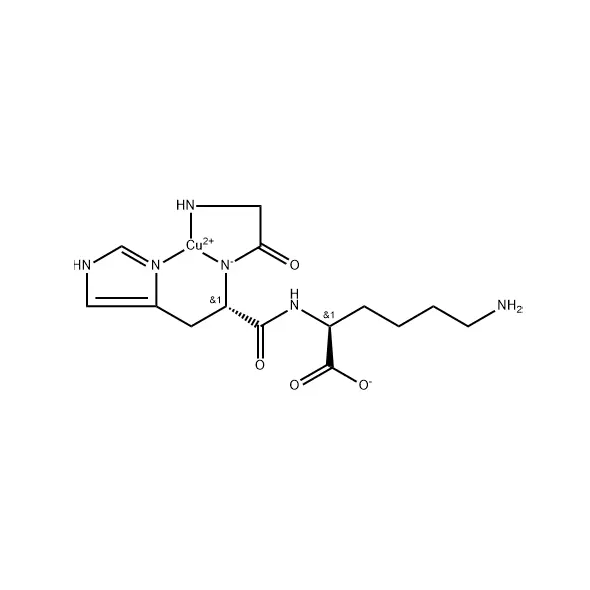
GHK-Cu, also known as Copper Tripeptide-1, is a naturally occurring copper-binding peptide composed of the amino acid sequence Glycyl-L-Histidyl-L-Lysine complexed with copper ions (Cu²⁺). Originally discovered in human plasma by Dr. Loren Pickart in 1973, GHK-Cu has become one of the most extensively studied bioactive peptides in the fields of skincare, wound healing, tissue regeneration, and cosmetic science.
As a naturally occurring signaling molecule, GHK-Cu is found in plasma, saliva, and urine. Research indicates that endogenous levels decline with age, leading scientists to investigate its role in skin repair, collagen synthesis, and healthy aging.
Today, GHK-Cu is widely used in cosmetic formulations, anti-aging products, hair care applications, and regenerative medicine research.
How Does GHK-Cu Work?
The biological activity of GHK-Cu is attributed to its ability to bind copper ions and participate in cellular signaling pathways involved in tissue repair and extracellular matrix remodeling.
1. Supports Collagen Production
Collagen is the primary structural protein responsible for maintaining skin firmness and elasticity. Studies have demonstrated that GHK-Cu can stimulate fibroblasts and enhance collagen synthesis, making it a valuable ingredient in anti-aging skincare formulations.
2. Promotes Tissue Repair
Research suggests that GHK-Cu plays an important role in wound healing by supporting tissue regeneration, angiogenesis, and cellular remodeling. Multiple experimental studies have reported improved healing responses and enhanced tissue quality following GHK-Cu treatment.
3. Regulates Extracellular Matrix Remodeling
Healthy tissue regeneration requires a balance between collagen synthesis and collagen breakdown. GHK-Cu has been shown to influence matrix metalloproteinases (MMPs) and their inhibitors, helping regulate extracellular matrix turnover and remodeling.
4. Antioxidant and Anti-Inflammatory Activity
Oxidative stress is one of the major contributors to skin aging and tissue damage. Scientific evidence indicates that GHK-Cu may help reduce oxidative damage and modulate inflammatory pathways, creating a favorable environment for cellular repair.
Key Benefits of GHK-Cu
The growing popularity of GHK-Cu in the cosmetic and personal care industries is driven by its multifunctional biological properties.
Potential benefits include:
1. Supporting collagen and elastin production
2. Improving skin firmness and elasticity
3. Reducing the appearance of fine lines and wrinkles
4. Promoting skin repair and recovery
5. Supporting healthy hair and scalp conditions
6. Enhancing overall skin texture and appearance
7. Assisting post-procedure skin recovery
These benefits have made GHK-Cu one of the most sought-after active ingredients in premium skincare products worldwide.
GHK-Cu Applications
Cosmetic Industry
GHK-Cu is widely incorporated into:
1. Anti-aging serums
2. Facial creams
3. Eye care products
4. Sheet masks
5. Skin repair formulations
6. Professional aesthetic skincare products
Hair Care Products
Copper peptides have also attracted attention in scalp and hair care formulations due to their potential role in supporting healthy hair follicles and scalp conditions.
Biomedical Research
Researchers continue to investigate GHK-Cu in areas such as:
1. Tissue engineering
2. Wound management
3. Biomaterials development
4. Regenerative medicine
5. Cellular aging research
Its broad biological activity makes it a valuable molecule for ongoing scientific exploration.
Why High-Purity GHK-Cu API Matters
For manufacturers and formulators, the quality of GHK-Cu API directly impacts product performance and stability.
Critical quality attributes include:
High Purity
Premium GHK-Cu API is typically manufactured with purity levels above 99%, ensuring consistent biological activity and formulation performance.
Accurate Peptide Sequence
Advanced analytical technologies such as HPLC and Mass Spectrometry are used to verify peptide identity and sequence integrity.
Stable Copper Chelation
The effectiveness of GHK-Cu depends on proper copper complex formation. Controlled manufacturing processes help maintain complex stability throughout production.
Batch-to-Batch Consistency
Reliable peptide manufacturers implement strict quality control systems to ensure consistent product quality across production batches.
GHK-Cu Manufacturing Process
Commercial GHK-Cu API is generally produced through Solid Phase Peptide Synthesis (SPPS), followed by purification and copper complexation processes.
Typical manufacturing steps include:
1. Peptide chain synthesis
2. Cleavage and deprotection
3. Purification by preparative HPLC
4. Copper ion complexation
5. Quality control testing
6. Packaging under controlled conditions
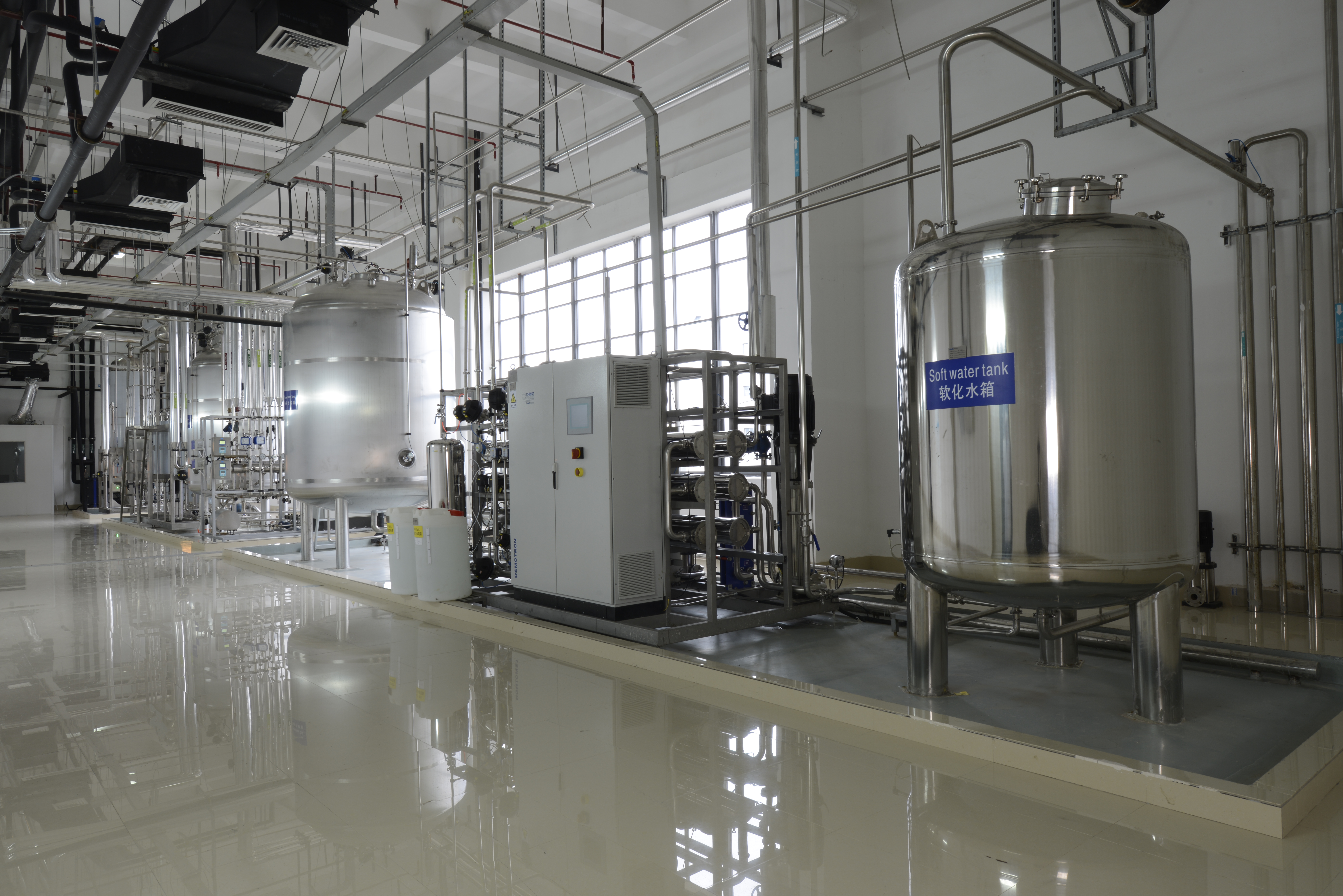
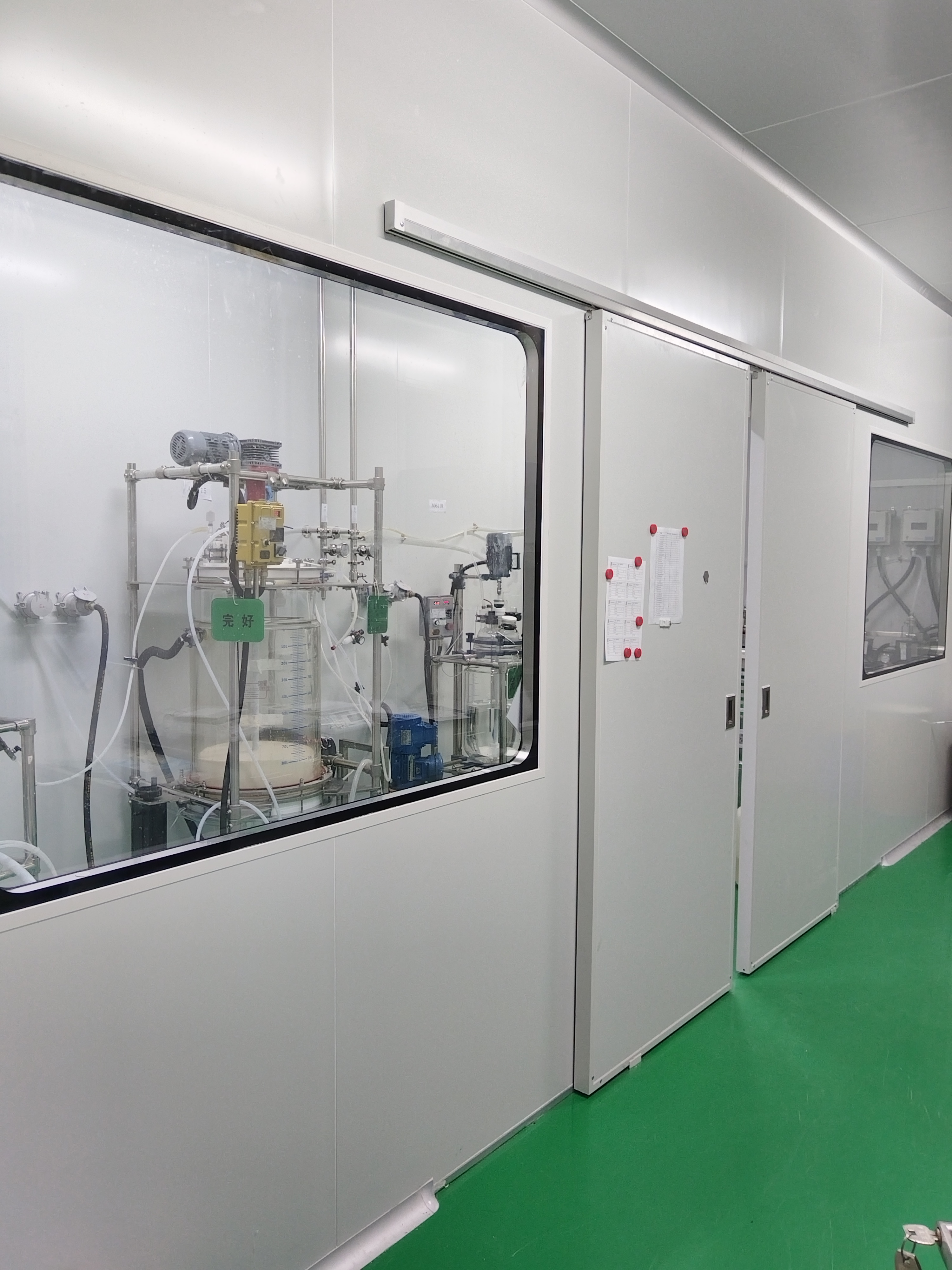
Modern peptide manufacturing facilities utilize advanced equipment and GMP-compliant quality systems to ensure product safety and consistency.
Future Outlook of the GHK-Cu Market
The global demand for bioactive peptides continues to expand rapidly, driven by growth in anti-aging skincare, regenerative science, and advanced cosmetic formulations.
With decades of scientific research supporting its biological activities, GHK-Cu remains one of the most promising copper peptides available today. As innovation in peptide technology continues, GHK-Cu is expected to play an increasingly important role in next-generation skincare and regenerative research products.
Conclusion
GHK-Cu is a naturally occurring copper peptide with extensive scientific research supporting its role in collagen synthesis, tissue repair, extracellular matrix remodeling, and skin regeneration. Its versatility, safety profile, and growing market demand have made it a key ingredient in cosmetic and biotechnology industries.
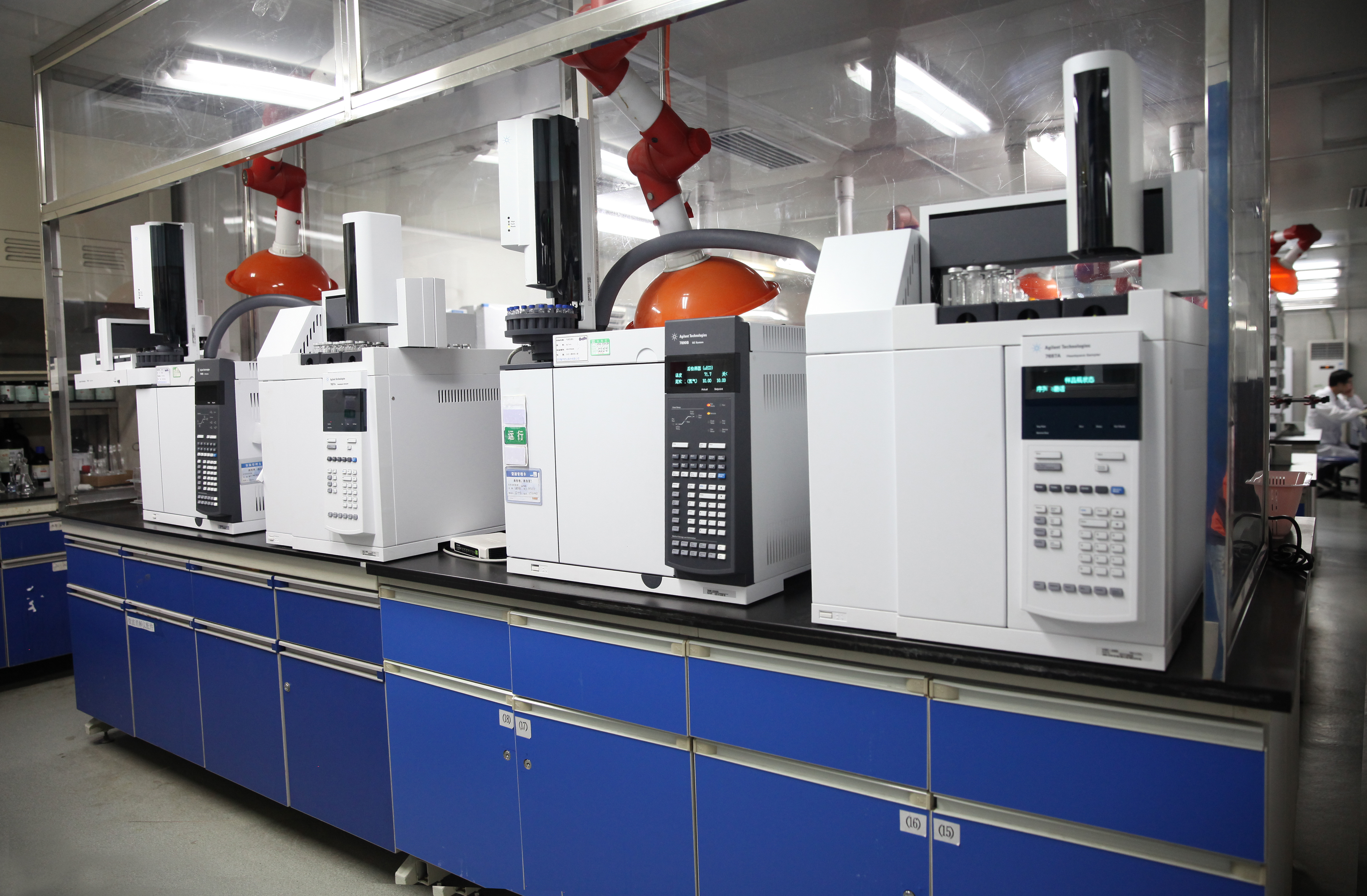
Factory photos:

Post time: Jul-07-2026