

Introduction
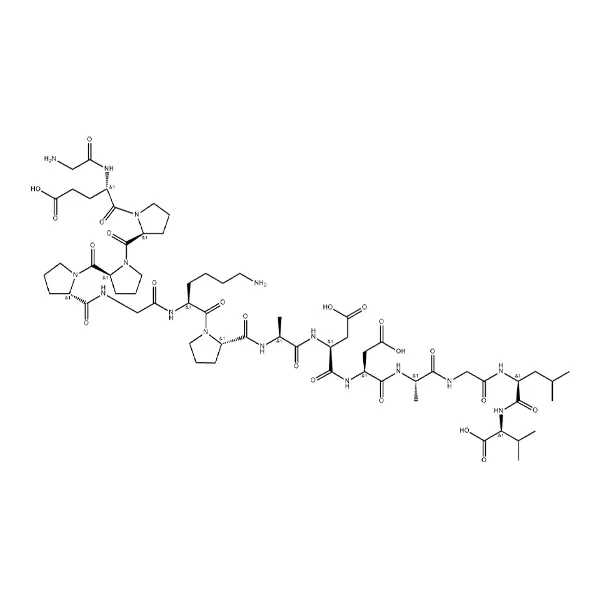
BPC-157 API is a synthetic pentadecapeptide that has gained increasing attention in peptide research due to its potential biological activities related to tissue repair, gastrointestinal protection, angiogenesis, and inflammatory regulation.
As a peptide active pharmaceutical ingredient (API), BPC-157 requires strict quality control, analytical characterization, and manufacturing standards to support pharmaceutical research and development.
This article provides an overview of BPC-157 API, including its structure, production process, quality requirements, and research applications.
What is BPC-157 API?
BPC-157 (Body Protection Compound-157) is a synthetic peptide consisting of 15 amino acids.
Key information:
| Parameter | Description |
|---|---|
| Product Name | BPC-157 API |
| Type | Synthetic peptide API |
| Peptide Length | 15 amino acids |
| Molecular Weight | Approximately 1419 Da |
| Manufacturing Technology | Solid Phase Peptide Synthesis (SPPS) |
| Application | Research and pharmaceutical development |
BPC-157 is commonly studied as an experimental peptide due to its reported biological effects in preclinical models.
BPC-157 API Manufacturing Process
The production of BPC-157 API typically involves advanced peptide synthesis technologies.
1. Solid Phase Peptide Synthesis (SPPS)
The peptide chain is assembled step-by-step using protected amino acid derivatives.
Key process factors include:
1. Amino acid coupling efficiency
2. Reaction monitoring
3. Protection group removal
4. Peptide chain integrity
2. Cleavage and Purification
After synthesis, the crude peptide undergoes:
1. Resin cleavage
2. Deprotection
3. Filtration
4. Preparative chromatography purification
3. Final Processing
The purified BPC-157 peptide is processed through:
1. Lyophilization
2. Identity confirmation
3. Purity testing
4. Packaging
BPC-157 API Quality Control
High-quality peptide APIs require comprehensive analytical testing.
HPLC Purity Analysis
High-performance liquid chromatography (HPLC) is commonly used to evaluate:
1. Peptide purity
2. Related substances
3. Degradation products
LC-MS Identification
Liquid chromatography–mass spectrometry confirms:
1. Molecular weight
2. Peptide identity
3. Structural consistency
Additional Quality Tests
Typical testing parameters include:
1. Appearance
2. Water content
3. Residual solvents
4. Heavy metals
5. Endotoxin
6. Microbial limits
BPC-157 API Research Applications
Tissue Repair Research
Studies have investigated BPC-157 in experimental models related to:
1. Tendon recovery
2. Muscle injury
3. Wound healing
4. Bone and cartilage repair
Gastrointestinal Research
BPC-157 has been explored for potential effects involving:
1. Gastric mucosal protection
2. Intestinal barrier function
3. Inflammatory response regulation
Inflammation and Cellular Signaling
Research suggests possible involvement in:
1. VEGF signaling
2. Nitric oxide pathways
3. Growth factor regulation
Conclusion
BPC-157 API represents an emerging area of peptide research with potential applications in tissue repair, gastrointestinal protection, and biological regulation.
For pharmaceutical and research applications, high-quality manufacturing, analytical validation, and strict quality control are essential to ensure reliable BPC-157 API performance.
FAQ
BPC-157 API is a synthetic peptide active pharmaceutical ingredient used for research and development purposes.
BPC-157 is generally produced using solid-phase peptide synthesis followed by purification and analytical testing.
Common methods include HPLC, LC-MS, peptide mapping, and impurity analysis.
Currently, BPC-157 remains an investigational peptide and has not been approved as a therapeutic drug by major regulatory authorities.
Post time: Aug-03-2026