

Amino Acids in Rice: Leading China Manufacturer for Quality Ingredients
As a B2B purchaser seeking quality ingredients, you'll find our focus on amino acids in rice particularly compelling. Sourced from trusted suppliers in China, we ensure that our rice is enriched with essential amino acids that can greatly enhance your product offerings. These amino acids play a crucial role in nutrition, making our rice an ideal addition for manufacturers aiming to improve their formulations. Working with us means you are partnering with a dedicated manufacturer committed to quality and innovation. Our rice is processed to maintain its nutritional value, offering you a reliable and effective ingredient for your business needs. With competitive pricing and tailored solutions, we strive to meet your specifications and help you succeed in a competitive market. Partner with us to take advantage of the nutritional benefits of amino acids in rice, elevating your products and meeting your customers' expectations. Let’s connect and explore how we can support your manufacturing success!
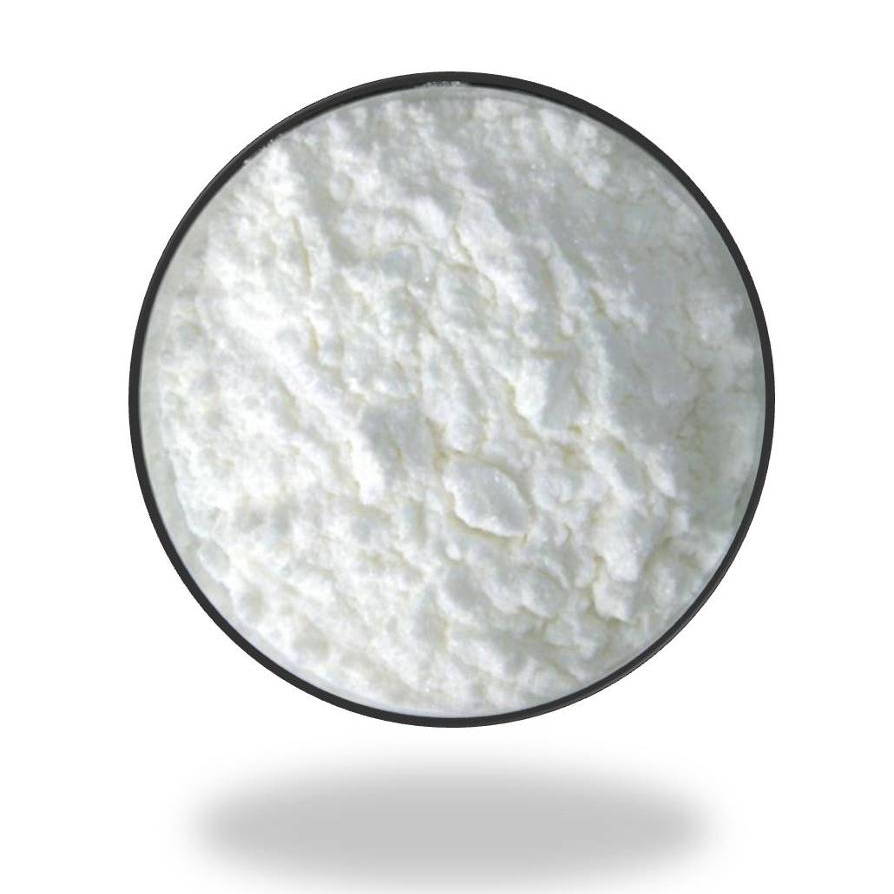
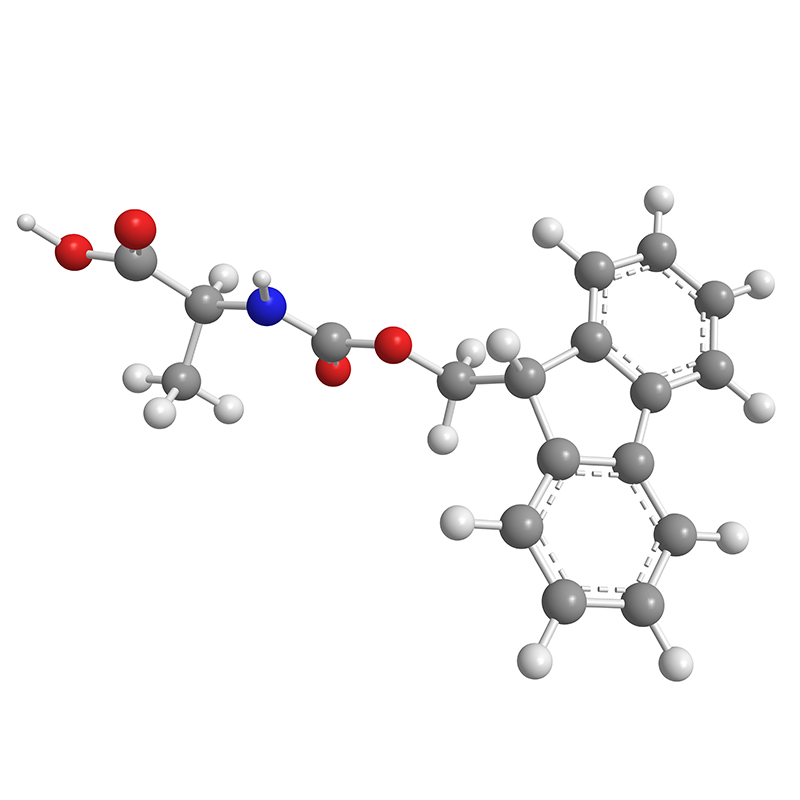

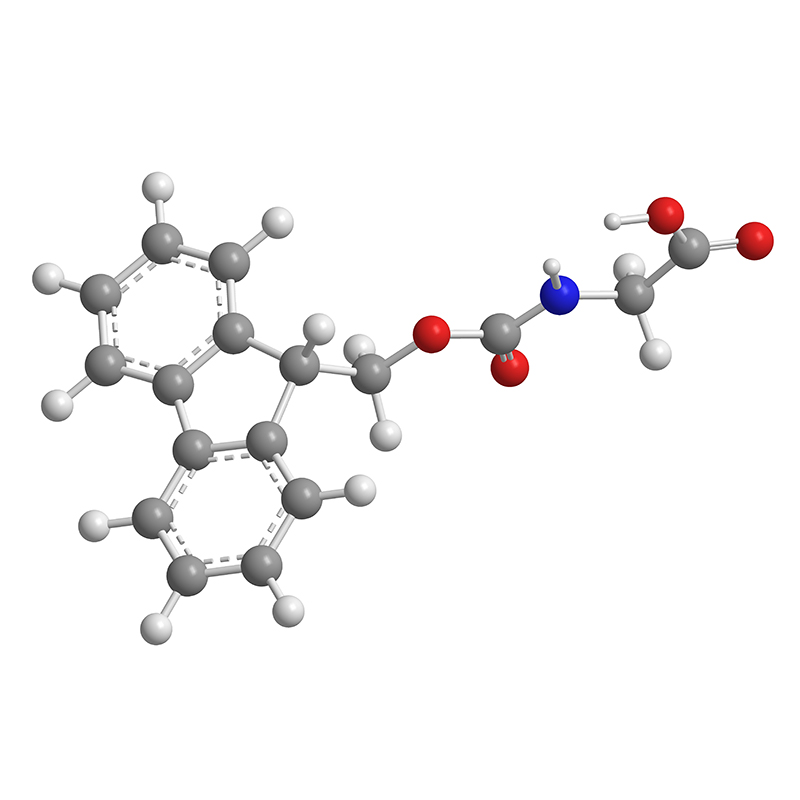
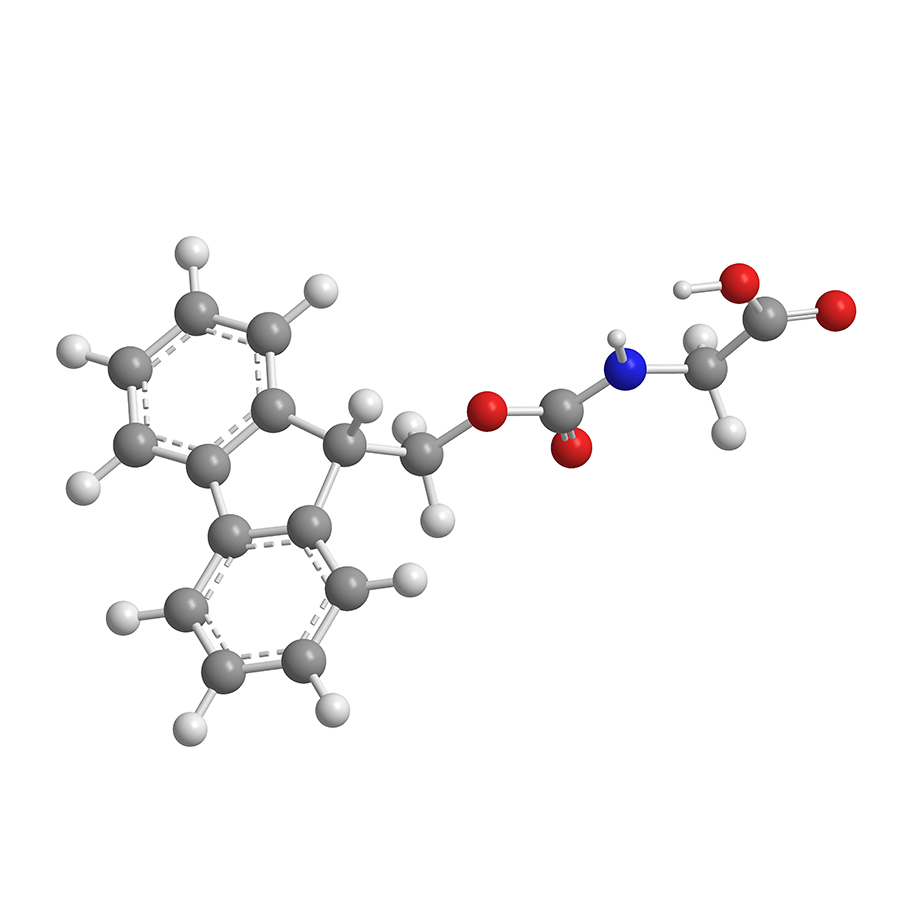
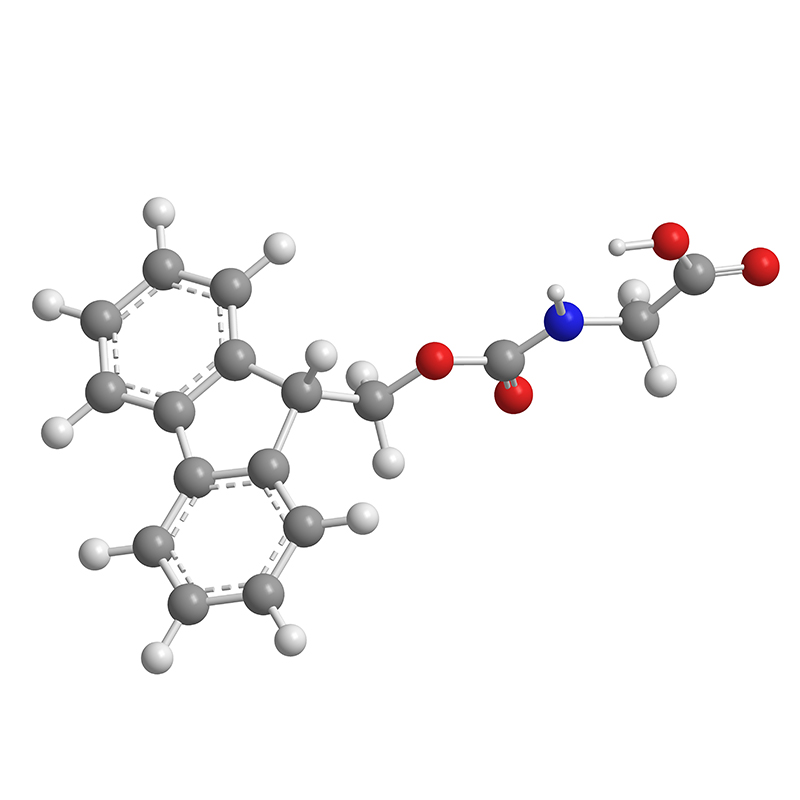
Amino Acids In Rice Leads the Global Market Custom Solutions,
Amino acids are vital components that contribute significantly to the nutritional profile of various food products, particularly rice. As the global demand for healthier food options continues to rise, the presence of amino acids in rice has positioned it as a key player in the agricultural market. These compounds not only enhance the nutritional value of rice but also improve its functional properties, making it a preferred choice for both consumers and manufacturers. Global procurement professionals are increasingly seeking custom solutions that cater to specific dietary needs. By harnessing the power of amino acids, rice can be tailored to meet diverse consumer preferences, ranging from protein enrichment to enhanced digestibility. This flexibility allows businesses to address nutrition trends effectively and innovate product offerings that appeal to health-conscious markets. As we move forward, the integration of amino acids in rice will likely redefine food manufacturing and supply chains. Emphasizing these characteristics can provide a competitive edge in a saturated market, ensuring that brands remain relevant and responsive to evolving consumer demands. Engaging with suppliers who understand these dynamics can unlock new opportunities for growth and sustainability in an ever-changing global landscape.
Amino Acids In Rice Leads the Global Market Custom Solutions
| Amino Acid | Health Benefits | Sources | Global Demand Trend | Market Applications |
|---|---|---|---|---|
| Lysine | Muscle recovery, immune function | Rice, legumes, meat | Increasing demand in animal feed | Nutritional supplements, food industry |
| Methionine | Antioxidant properties, detoxification | Rice, fish, eggs | Steady growth in health supplements | Cosmetics, pharmaceuticals |
| Threonine | Supports immune system, protein synthesis | Rice, dairy, nuts | Growing use in sports nutrition | Dietary supplements, food products |
| Phenylalanine | Mood enhancement, cognitive function | Rice, soy products, meat | Rising trend in functional foods | Nutraceuticals, dietary products |
| Arginine | Improves blood flow, supports wound healing | Rice, nuts, seeds | Increasing popularity in fitness industry | Health supplements, sports nutrition |
Related Products



Amino Acids In Rice Your Trusted OEM Partner Where Service Meets Innovation
Top Selling Products


- Related Blog
- Reviews
- Reviews
