
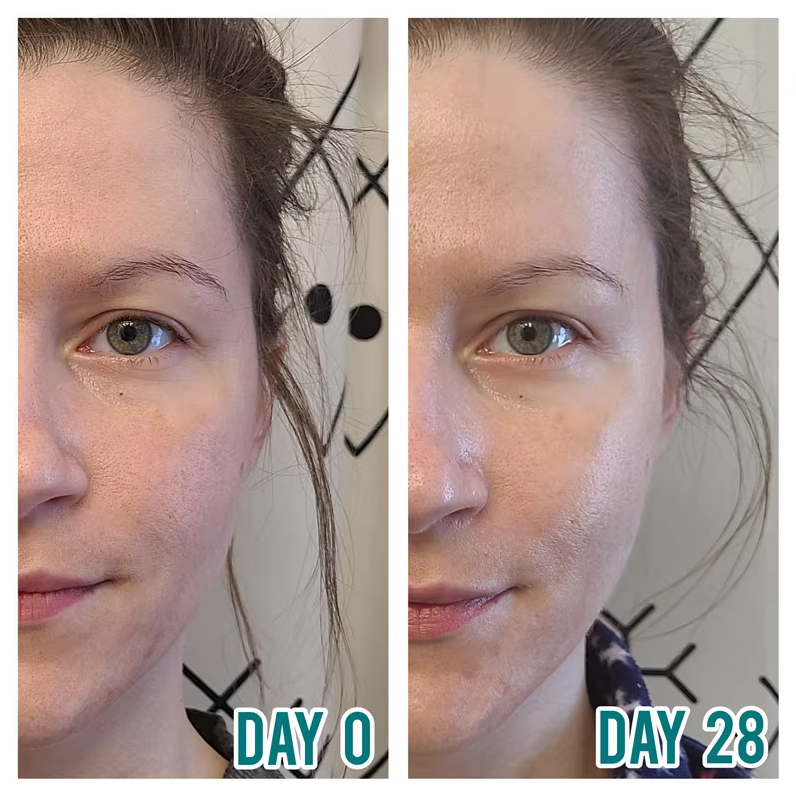
There are many treatments designed to improve either health or physical appearance, but some therapies aim to support both at the same time. One example is GHK-Cu, a copper peptide that has gained attention in wellness and aesthetic medicine. GHK-Cu therapy—often delivered through injections or topical products—may help support skin health, tissue repair, and overall cellular function.
What Is GHK-Cu?
GHK-Cu (glycyl-L-histidyl-L-lysine copper) is a naturally occurring copper peptide found in the human body. It can be detected in plasma, saliva, and urine, where it plays a role in several biological processes. Researchers have found that GHK-Cu is involved in wound healing, immune support, and the regulation of inflammation.
This peptide is also known for stimulating collagen production and supporting the growth of blood vessels. Because of these properties, it has been widely studied for its role in skin regeneration and anti-aging treatments. As people age, the natural levels of GHK-Cu in the body gradually decline, which may contribute to slower tissue repair and visible signs of aging.
Why People Use GHK-Cu Treatments
Because natural levels decrease with age, some people seek treatments that help restore GHK-Cu levels. Peptide therapies can supply additional GHK-Cu to the body in order to support the biological functions it normally performs.
GHK-Cu can be delivered in several forms, including:
1. Subcutaneous injections
2. Topical foams
3. Facial creams
Topical products are often used for skin care and hair support, while injections are designed to provide broader systemic effects. The method chosen typically depends on the individual’s goals and the areas they want to target.
Common Delivery Methods
Injection
GHK-Cu injections are usually administered subcutaneously (under the skin). A typical formulation is a 10 mg/mL solution in a 5 mL vial. Some protocols suggest a small daily dose delivered under medical supervision.
Topical Foam
Foam formulations are commonly used for scalp application to support hair and skin health. These products often contain 0.05% (5 mg/mL) GHK-Cu and are applied once per day.
Facial Cream
GHK-Cu creams are frequently used in cosmetic skin treatments. Similar to the foam, they typically contain 0.05% GHK-Cu and are applied once daily, often in the evening.
Potential Benefits of GHK-Cu Injection
When delivered through injection, GHK-Cu may support several processes throughout the body. Reported benefits include:
1. Improved wound healing by stimulating tissue repair
2. Collagen production, which helps maintain skin elasticity and structure
3. Anti-inflammatory effects that may support recovery
4. Antioxidant activity, helping protect cells from oxidative stress
5. Support for blood vessel formation, which can assist tissue regeneration
Some laboratory and early clinical studies have also suggested that GHK-Cu may influence gene activity related to tissue repair and cellular health. However, research is still ongoing, and more large-scale clinical studies are needed to fully confirm these effects.
Benefits of Topical GHK-Cu Products
When used in creams or foams, GHK-Cu is mainly focused on skin and hair health. Potential benefits include:
1. Improving skin texture and firmness
2. Supporting collagen and elastin production
3. Reducing the appearance of fine lines and wrinkles
4. Promoting scalp health and possibly supporting hair growth
Final Thoughts
GHK-Cu is a naturally occurring peptide with promising roles in skin repair, tissue regeneration, and anti-aging therapies. Because its levels decline with age, some people explore treatments such as injections or topical products to restore its presence in the body.
While early research shows encouraging results, anyone considering GHK-Cu therapy should consult a qualified healthcare professional to determine whether it is appropriate and safe for their individual needs.
Post time: Mar-16-2026