


In the rapidly evolving field of weight management and metabolic disease treatment, Semaglutide Injection and Tirzepatide Injection have emerged as two highly prominent therapeutic options. Both drugs have gained widespread recognition for their effectiveness in appetite control, weight reduction, and glycemic regulation, and are widely used in the management of obesity and type 2 diabetes. Despite these similarities, the two medications differ significantly in their pharmacological composition, mechanisms of action, and clinical positioning. This article provides an in-depth comparison to help readers better understand the key differences between semaglutide and tirzepatide.
Overview of the Two Medications
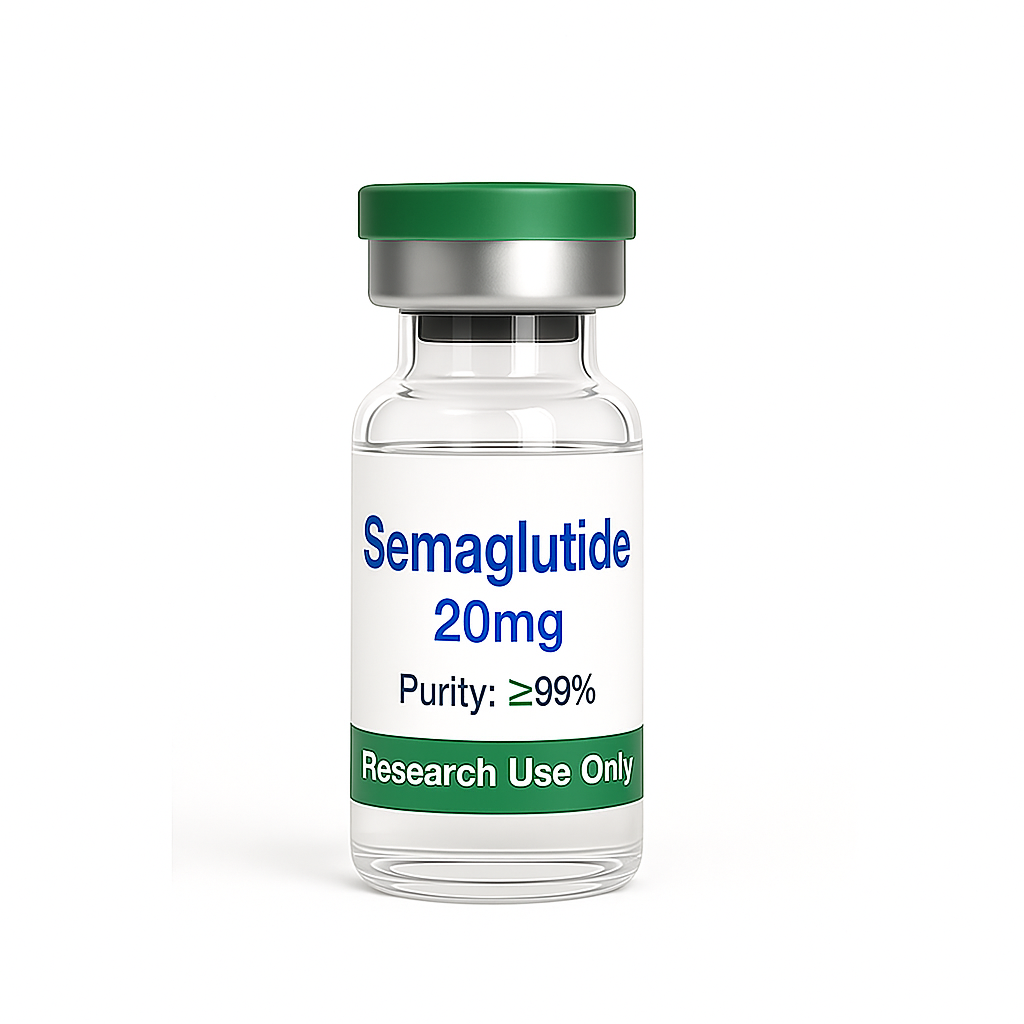
Semaglutide is a glucagon-like peptide-1 (GLP-1) receptor agonist that was initially developed for the treatment of type 2 diabetes. Subsequent clinical studies demonstrated its significant weight-loss benefits, leading to its expanded use in chronic weight management. Its therapeutic effects are well established, and it is now considered a cornerstone drug in metabolic disease treatment.
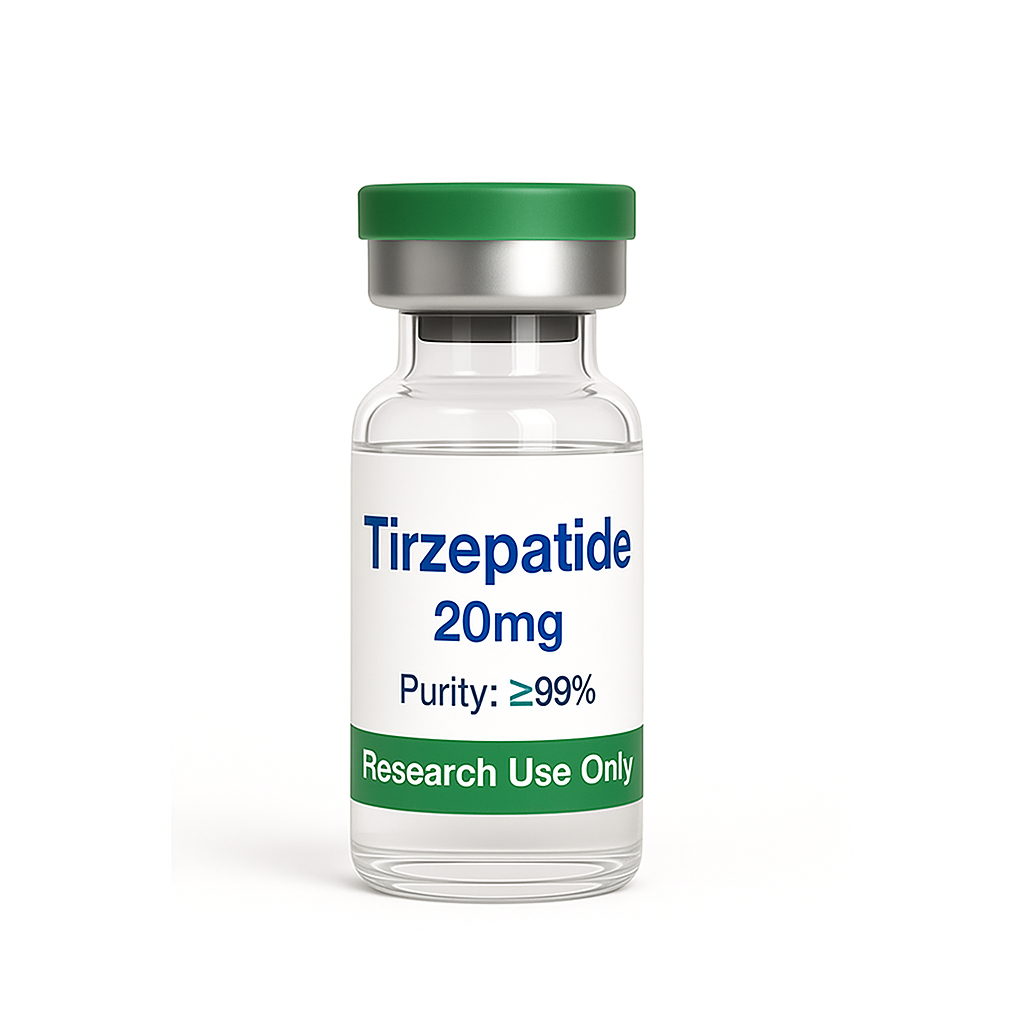
Tirzepatide, on the other hand, is a newer-generation medication distinguished by its dual-receptor mechanism. It acts not only on the GLP-1 receptor but also on the glucose-dependent insulinotropic polypeptide (GIP) receptor. This dual agonism represents a major advancement in metabolic therapy and contributes to its enhanced clinical efficacy.
Mechanisms of Action
The fundamental differences between semaglutide and tirzepatide lie in how they influence metabolic pathways. Semaglutide exerts its effects primarily by activating the GLP-1 receptor, which plays a crucial role in appetite regulation and glucose metabolism. By acting on appetite centers in the central nervous system, semaglutide increases satiety, reduces hunger, and slows gastric emptying, thereby decreasing overall caloric intake. In addition, it promotes glucose-dependent insulin secretion while suppressing glucagon release, helping to stabilize blood glucose levels.
Tirzepatide builds upon this mechanism by simultaneously activating both GLP-1 and GIP receptors. The GIP receptor is involved in insulin secretion, lipid metabolism, and energy balance. Through this dual-pathway activation, tirzepatide enhances insulin sensitivity, improves glucose utilization, and exerts broader effects on fat metabolism. This comprehensive metabolic regulation largely explains why tirzepatide often demonstrates superior outcomes in both weight reduction and glycemic control compared with single-pathway GLP-1 receptor agonists.
Weight Loss and Glycemic Control Outcomes
In terms of weight loss, semaglutide is generally regarded as a steady and sustainable option. Patients typically experience gradual and consistent weight reduction over time, which supports long-term weight maintenance and integrates well with lifestyle interventions such as dietary modification and physical activity.
Tirzepatide, by contrast, has shown a more pronounced weight-loss effect in clinical studies. Average weight reduction tends to be greater, particularly among individuals with severe obesity or significant insulin resistance. This enhanced efficacy is closely linked to its dual hormonal action, which simultaneously influences appetite suppression, fat metabolism, and energy expenditure.
Both medications are highly effective in lowering fasting blood glucose and glycated hemoglobin (HbA1c) levels. Semaglutide has a long track record of stable and reliable glycemic control, while tirzepatide may offer deeper glucose-lowering effects in certain patient populations due to its combined impact on insulin secretion and sensitivity.
Administration and Dosing
From a practical standpoint, both semaglutide and tirzepatide are administered via subcutaneous injection on a once-weekly basis. Each medication follows a gradual dose-escalation schedule designed to improve tolerability and reduce the likelihood of adverse reactions. Their similar dosing convenience makes both options suitable for long-term treatment regimens.
Safety Profile and Adverse Effects
Overall, semaglutide and tirzepatide share comparable safety profiles, with gastrointestinal symptoms being the most commonly reported adverse effects. These may include nausea, vomiting, diarrhea, constipation, and abdominal discomfort, particularly during the initial stages of treatment. Such effects are largely attributable to delayed gastric emptying and central appetite regulation.
Semaglutide benefits from extensive long-term clinical data, providing a well-established safety record. Most patients find that gastrointestinal symptoms diminish significantly as the body adapts to the medication through gradual dose escalation.
Tirzepatide, due to its stronger and more comprehensive metabolic effects, may be associated with a higher incidence or intensity of gastrointestinal discomfort in some individuals during early treatment. However, when properly titrated under medical supervision, its overall tolerability remains acceptable and manageable.
Patient Selection and Clinical Considerations
Semaglutide is often well suited for individuals seeking steady weight loss and long-term metabolic control, particularly those who prioritize medication tolerability and extensive safety data. It is frequently chosen for patients requiring a balanced and predictable therapeutic approach.
Tirzepatide may be more appropriate for patients with higher weight-loss targets or more complex metabolic disorders, such as severe obesity accompanied by insulin resistance or poorly controlled type 2 diabetes. Given its potent effects, careful patient monitoring and professional guidance are especially important to optimize outcomes and minimize adverse reactions.
Conclusion
Both semaglutide and tirzepatide represent significant advances in the treatment of obesity and type 2 diabetes. Semaglutide is characterized by its proven efficacy, safety, and long-term stability, while tirzepatide stands out for its innovative dual-receptor mechanism and superior therapeutic potential in selected populations. The optimal choice between the two should be based on individual health status, treatment goals, and professional medical advice, ensuring a personalized and effective treatment strategy.
Tirzepatide Frequently Asked Questions
Tirzepatide represents a significant advancement in the treatment of metabolic conditions, offering dual benefits for weight management and glycemic control. This innovative medication functions through a unique dual-agonist mechanism, simultaneously activating both GLP-1 and GIP receptors. This combined action produces enhanced therapeutic effects including appetite suppression, improved insulin sensitivity, and promoted weight reduction, making it particularly valuable for individuals managing obesity or Type 2 diabetes.
The key distinction lies in their mechanisms of action. Although both are incretin mimetics, semaglutide is a GLP-1 receptor agonist, whereas tirzepatide acts on both GLP-1 and GIP receptors. This dual action may render tirzepatide more effective in promoting weight loss and improving glycemic control.
Tirzepatide and Semaglutide are both injectable medications for type 2 diabetes and obesity, but they work differently: Semaglutide is a GLP-1 receptor agonist, while Tirzepatide is a dual GIP/GLP-1 receptor agonist. Overall, Tirzepatide generally provides greater blood sugar reduction and weight loss but may cause slightly more gastrointestinal side effects. Semaglutide has a longer track record with more established long-term safety data. Choice depends on individual goals: Tirzepatide may be preferred for maximum weight loss and strong glucose control, while Semaglutide may be better for tolerability and long-term safety.
Yes, you can switch from Semaglutide to Tirzepatide, but it should be done gradually under medical supervision. Tirzepatide is usually started at a low dose and slowly increased to reduce gastrointestinal side effects. Your previous Semaglutide dose does not directly translate to Tirzepatide, so careful dose titration and monitoring of blood sugar, weight, and overall health are essential during the transition.
Tirzepatide is typically administered subcutaneously once a week. Dosage and frequency will be individualized based on your condition, treatment goals, and treatment response.
Both medications lead to muscle loss as part of the overall weight loss process. Tirzepatide users appear to retain slightly more muscle mass compared to semaglutide users. A key factor in preventing muscle loss while using either drug is ensuring you get enough protein and engage in resistance training.
About Gentolex
Gentolex’s goal is to create opportunities connecting the world with better services and guaranteed products. Up to date, Gentolex Group has been serving customers from more than 10 countries, specially, representatives are established in Mexico and South Africa. Our main services focus on supplying peptides APIs and Custom Peptides, FDF license out, Technical Support & Consultation, Product Line and Lab Setup, Sourcing & Supply Chain Solutions.
With the passion and ambition of our teams, comprehensive services have been fully set up. To continue serving customers worldwide, Gentolex is already engaged in manufacturing, sales & distribution of pharma ingredients. At present, we are allocated with:
For pharma ingredients, we have shared holding a lab and CMO facility for Peptide APIs development and manufacturing, and in order to offer an extensive range of APIs and intermediates for development study and commercial submission to satisty varieties of customers, Gentolex also adoptes a model with signing strategic cooperation with strong manufacturing sites who have national platforms for drug research, technology innovation and production, passed GMP inspection of NMPA (CFDA), US FDA, EU AEMPS, Brazil ANVISA and South Korea MFDS, etc, and owns tech and know-how for the widest range of APIs. Documents (DMF, ASMF) and certificates for registration purpose are ready to support. The main products have been applied to Digestive diseases, Cardio-vascular system, anti-diabetes, Antibacterial and antiviral, Antitumor, Obstetrics and Genecology, and Antipsychotic, etc. All high-quality products are rigorously tested before being delivered in drums, bags or in bottles. We also provide additional value to customers through our refilling or repacking services.
All our manufacturers have been inspected by our team to ensure they are qualified for international markets. We accompany customers or on behalf of our customers to conduct additonal due diligence on manufacturers upon requests.
For chemical products, we are joint-venture of 2 factories in Hubei and Henan provinces, an overall construction area of 250,000 square meters under international standard, products covering Chemical APIs, Chemical intermediates, Organic chemicals, Inorganic chemicals, Catalysts, Auxiliaries, and other fine chemicals. The management of factories enables us to offer flexible, scalable and cost-effective solutions across a wide variety of products to serve global clients.
Post time: Jan-07-2026