

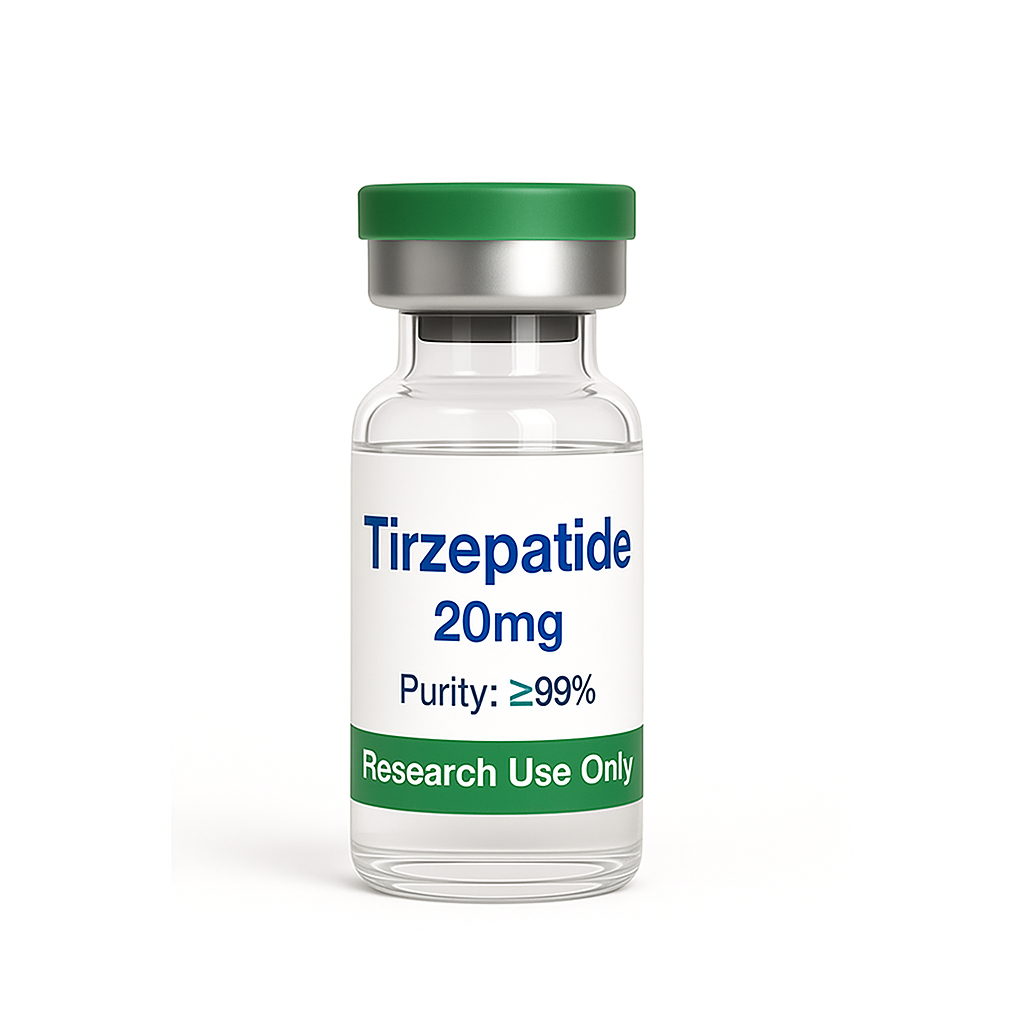
Tirzepatide, a novel dual GIP/GLP-1 receptor agonist, has rapidly gained attention for its remarkable efficacy in managing type 2 diabetes and promoting weight loss. As more people use this medication, understanding its potential side effects has become increasingly important. Like any drug, the therapeutic benefits of Tirzepatide come with physiological consequences, and recognizing these effects is crucial for safe and effective use.

Pharmacologically, Tirzepatide simultaneously targets GIP and GLP-1 receptors, enhancing insulin secretion, suppressing glucagon, slowing gastric emptying, and regulating appetite through central mechanisms. While these actions are central to its glucose-lowering and weight-reducing effects, they also explain why most side effects are concentrated in the gastrointestinal system. Many users experience mild nausea, bloating, or digestive discomfort when starting the drug or increasing the dose. These reactions are influenced by meal size, food composition, and the speed of dose escalation, and they usually diminish as the body gradually adapts.
Some individuals may experience vomiting, which can indicate that the current dose exceeds the patient’s tolerance. Persistent vomiting that interferes with fluid and food intake can lead to dehydration, electrolyte imbalances, and even secondary kidney issues, so it should never be ignored. Similarly, diarrhea and constipation can occur as the gastrointestinal tract adjusts to hormone level changes. In most cases, these effects are temporary and improve with continued use.
Appetite suppression is a key therapeutic mechanism of Tirzepatide and contributes to weight loss. However, excessive appetite reduction or prolonged low caloric intake can create new health concerns. Rapid weight loss may cause fatigue, nutritional deficiencies, loss of lean body mass, and an increased risk of gallstones. Maintaining balanced nutrition and a gradual, steady weight-loss pace is generally safer and more sustainable than aiming for rapid results.
Metabolically, Tirzepatide rarely causes hypoglycemia on its own, but the risk rises significantly when combined with insulin or certain sulfonylureas. Symptoms such as tremors, sweating, palpitations, or dizziness should prompt timely evaluation and potential adjustment of concurrent medications. In rare instances, serious adverse events such as pancreatitis or gallbladder complications may occur. Persistent abdominal pain, radiating pain to the back, or jaundice require immediate discontinuation and medical evaluation.
Tirzepatide carries a boxed warning regarding thyroid C-cell tumors. Although this risk is mainly based on animal studies, individuals with a personal or family history of medullary thyroid carcinoma or multiple endocrine neoplasia type 2 should avoid the drug. For others, monitoring for neck lumps, voice changes, or difficulty swallowing can help detect potential issues early.
Overall, Tirzepatide does not directly harm the kidneys or other major organs, and most serious side effects are related to dehydration, rapid weight loss, or improper dosing. Minor injection site reactions, such as redness or itching, are common but usually transient. The key to minimizing adverse effects lies in slow, individualized dose escalation, attention to the body’s responses, and avoidance of self-directed dose changes.
In summary, Tirzepatide’s side effects are largely predictable, manageable, and reversible when used appropriately. By understanding the drug’s mechanisms, monitoring for unusual symptoms, and following medical guidance, patients can safely achieve long-term benefits while minimizing potential risks. Rational awareness and proactive management of side effects are essential for maximizing both safety and efficacy with Tirzepatide.
Post time: Jan-04-2026