

In recent years, obesity has become one of the most pressing global health challenges. Millions of people around the world struggle with excess weight, which significantly increases the risk of metabolic disorders, cardiovascular disease, and chronic conditions such as Type 2 Diabetes. While diet, exercise, and lifestyle changes remain the foundation of weight management, many individuals find it difficult to achieve or maintain significant weight loss through lifestyle interventions alone.
In response to this growing health crisis, new medications have emerged that target the body’s metabolic pathways. Among these innovative treatments, Tirzepatide has attracted enormous attention in both the medical community and the public. This medication has demonstrated remarkable results not only for blood sugar control but also for substantial weight loss, making it one of the most promising developments in metabolic medicine.
What Is Tirzepatide?
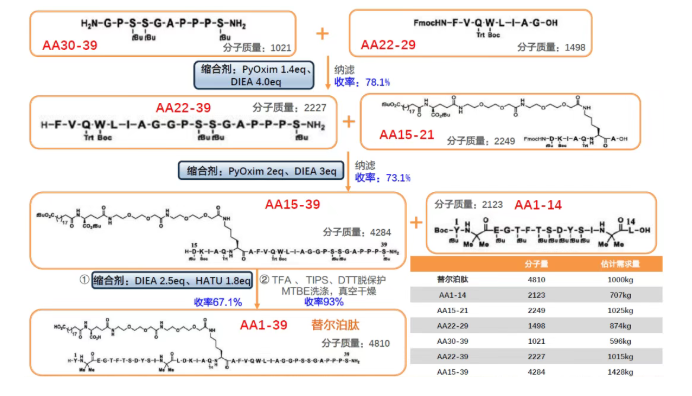
Tirzepatide is a novel injectable medication developed by the pharmaceutical company Eli Lilly and Company. It belongs to a new class of drugs known as dual incretin receptor agonists. Unlike traditional diabetes medications, Tirzepatide simultaneously targets two important metabolic hormone pathways in the body.
These pathways involve the receptors:
-
GLP-1 receptor
-
GIP receptor
Both hormones play essential roles in regulating glucose metabolism, insulin secretion, appetite, and energy balance. By activating both receptors at the same time, Tirzepatide can produce a powerful metabolic effect that improves blood sugar control while also promoting significant weight loss.
This dual-action mechanism is what sets Tirzepatide apart from earlier medications that only target a single pathway.
How Tirzepatide Works in the Body
Tirzepatide affects several physiological processes that contribute to weight management and metabolic health.
1. Improved Insulin Secretion
The medication enhances the body’s ability to release insulin in response to rising blood glucose levels. This helps people with Type 2 diabetes maintain healthier blood sugar control.
2. Reduced Appetite
Tirzepatide interacts with appetite-regulating centers in the brain, helping individuals feel full sooner and reducing overall food intake.
3. Slower Gastric Emptying
The drug slows the movement of food from the stomach into the small intestine. This prolongs feelings of fullness after meals and reduces hunger between meals.
4. Better Metabolic Efficiency
By improving insulin sensitivity and glucose metabolism, Tirzepatide helps the body use energy more efficiently and store less excess fat.
Together, these mechanisms contribute to the significant weight loss observed in clinical trials.
Clinical Trial Results: The SURMOUNT Studies
The effectiveness of Tirzepatide has been demonstrated in several large clinical trials. One of the most important studies evaluating its weight-loss potential is the SURMOUNT-1 trial.
This study involved adults with obesity or overweight conditions who did not have diabetes. Participants received different doses of Tirzepatide over an extended treatment period.
The results were remarkable:
-
Average weight loss exceeded 20% of body weight in higher-dose groups
-
Some participants experienced weight reductions of up to 25%
-
Significant improvements were observed in metabolic markers, including cholesterol levels and blood pressure
These outcomes are considered groundbreaking because most earlier weight-loss medications typically produced reductions of only 5–10% of body weight.
Tirzepatide Compared With Other Weight Loss Medications
In recent years, medications that target GLP-1 hormones have become popular for both diabetes and weight management. One of the most widely known examples is Semaglutide, which is marketed under brand names such as Ozempic and Wegovy.
While these medications are highly effective, Tirzepatide offers an additional advantage because it activates both GLP-1 and GIP receptors.
Here is a simplified comparison:
| Medication | Mechanism | Average Weight Loss |
|---|---|---|
| Tirzepatide | GLP-1 + GIP | ~20% |
| Semaglutide | GLP-1 only | ~15% |
Because of its dual-hormone action, Tirzepatide may provide greater metabolic improvements and stronger weight-loss results for many patients.
Potential Side Effects
Like any medication, Tirzepatide can cause side effects. Most reported side effects are related to the gastrointestinal system and tend to occur during the early stages of treatment.
Common side effects include:
-
Nausea
-
Vomiting
-
Diarrhea
-
Decreased appetite
-
Stomach discomfort
In most cases, these symptoms improve as the body adjusts to the medication.
However, more serious complications, although rare, may occur. These can include conditions such as Pancreatitis or gallbladder issues. Because of these potential risks, patients should always use Tirzepatide under medical supervision.
FDA Approval and Regulatory Status
Tirzepatide has already received regulatory approval in several countries for the treatment of Type 2 diabetes. In the United States, the medication has been approved by the U.S. Food and Drug Administration for specific medical uses.
As research continues, regulatory agencies around the world are evaluating its role in long-term weight management and obesity treatment.
The Future of Obesity Treatment
Experts believe that medications like Tirzepatide may represent a major shift in the treatment of obesity and metabolic disease. For decades, obesity was primarily managed through lifestyle changes and surgical interventions. However, the development of advanced metabolic drugs is opening new possibilities.
Researchers are currently studying whether Tirzepatide may also help reduce the risk of:
-
Cardiovascular disease
-
Fatty liver disease
-
Metabolic syndrome
If future studies confirm these benefits, the drug could become an essential tool in preventive medicine.
Conclusion
Tirzepatide represents one of the most significant breakthroughs in modern metabolic medicine. By targeting both GLP-1 and GIP hormone pathways, the medication offers a powerful new approach to managing blood sugar and achieving meaningful weight loss.
Although further research is needed to understand its long-term safety and effectiveness fully, current evidence suggests that Tirzepatide could dramatically change how obesity and Type 2 diabetes are treated in the future.
For millions of people struggling with metabolic health issues, this innovative therapy may offer a new path toward better health and improved quality of life.
Post time: Mar-06-2026