

Scientific Application and Risk Mitigation
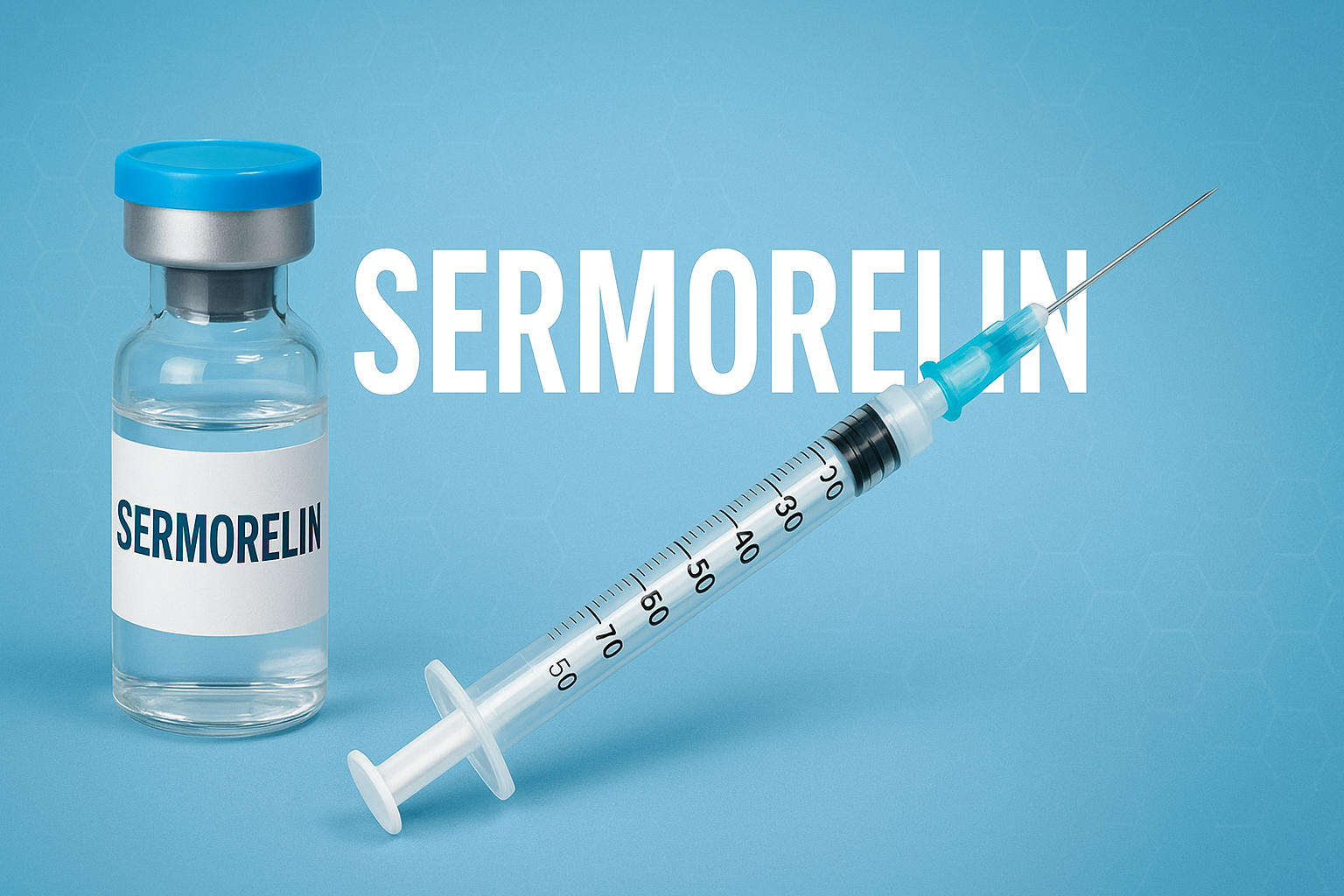
Sermorelin is a synthetic growth hormone-releasing hormone (GHRH) fragment, prescribed as a medical treatment for the diagnosis or treatment of growth hormone deficiency under specific medical conditions. It works by stimulating the anterior pituitary gland to release endogenous growth hormone, rather than directly supplementing exogenous growth hormone. A correct understanding of its safety profile, a clear definition of the applicable population, and strict adherence to usage guidelines are core prerequisites for ensuring that the treatment benefits outweigh the risks. This guideline aims to provide comprehensive information based on current medical evidence.
Part One: Core Safety Overview – Who Should Use It, Who Shouldn’t Use It
1. Clear Indications (Prescription Only)
Approved Use: Primarily used for the diagnosis of growth hormone deficiency in children (through a growth hormone stimulation test), and in certain regions/conditions for the treatment of diagnosed growth hormone deficiency in children or adults.
Off-Indication Use: Any use for anti-aging, performance enhancement, weight loss, or “optimized” uses without medical indications constitutes off-label use, lacks long-term safety data, is not recommended by mainstream medical guidelines, and is at the user’s own risk.
2. Absolute Contraindications (Use Prohibited)
Active malignant tumors: Growth hormone and its releasing hormones may stimulate cell growth.
Acute critical illness: Such as after cardiac surgery, acute respiratory failure, multiple trauma, or during septic shock.
Known hypersensitivity to Sermorelin or its components.
Closed epiphyses (children) without indications for treatment.
Active proliferative or severe nonproliferative diabetic retinopathy.
3. Relative Contraindications (Requires Extreme Careful Evaluation)
History or current history of malignant tumors; thorough evaluation by an oncologist is required.
Diabetes or poor glucose tolerance: May affect glycemic control.
Obesity with severe respiratory problems (e.g., sleep apnea).
Pregnancy, lactation: Safety data are insufficient; generally, use should be avoided.
Part Two: Patient Usage Guidelines
1. Pre-treatment Preparation
Comprehensive medical evaluation: Must be conducted under the guidance of a specialist (e.g., an endocrinologist). The assessment includes: detailed medical history, physical examination, stimulation test to confirm growth hormone deficiency, baseline insulin-like growth factor-1 (IGF-1) levels, blood glucose, liver and kidney function, and possible pituitary imaging.
Setting clear goals and expectations: Discuss specific treatment goals with your doctor (e.g., height increase in children, improvement in body composition and quality of life in adults), the expected timeframe, and objective indicators for evaluating efficacy.
2. Preparation and Injection Procedure (Aseptic technique required)
Preparation: Usually a lyophilized powder, it must be reconstituted with the provided sterile water for injection or bacteriostatic water (containing benzyl alcohol preservative). Strictly follow the instructions for dosage, gently swirling to mix, avoiding vigorous shaking.
Storage: Unprepared powder should be refrigerated (2-8°C). Prepared solutions are generally recommended to be refrigerated and used within the specified time (e.g., 14-28 days, depending on the specific product).
Injection:
Timing: Subcutaneous injection before bedtime is generally recommended to mimic the physiological GH pulsatile secretion pattern.
Site: Alternately choose subcutaneous adipose tissue from the abdomen, thigh, or upper arm.
Technique: Use a new sterile syringe (usually an insulin syringe) each time, ensuring the injection site is clean. Press for a moment after injection.
3. Dosage and Monitoring
Dosage: Strictly follow your doctor’s instructions. The dosage is calculated based on weight or body surface area and titrated according to clinical response and IGF-1 levels. Never increase or decrease the dosage yourself.
Key Monitoring Indicators:
Regular Follow-up: Usually, follow-up visits are required every 1-3 months after the start of treatment, and every 6-12 months after stabilization.
Laboratory Tests: Regularly monitor IGF-1 levels (target maintenance within the age-matched normal range), fasting blood glucose/insulin, glycated hemoglobin (HbA1c), and thyroid function (GHRH treatment may affect the thyroid axis).
Clinical Assessment: For children, monitor growth rate and bone age; for adults, assess body composition (fat mass, lean body mass), blood lipids, quality of life, and potential side effects.
Part 3: Potential Side Effects and Risk Management
1. Common Side Effects (Usually Mild and Transient)
Injection Site Reactions: Redness, swelling, pain, itching.
Headache, dizziness, flushing.
Transient joint or muscle pain.
These reactions usually do not require discontinuation of the medication and may subside over time or with adjustments to the injection technique.
2. Moderate Risks Requiring Attention
Glucose Effects: May cause insulin resistance, worsening or inducing glucose intolerance. Patients with diabetes require close monitoring of their blood glucose levels.
Fluid Retention: May cause carpal tunnel syndrome, joint edema, or a slight increase in blood pressure.
Hypothyroidism: May worsen or induce central hypothyroidism; monitoring is required, and levothyroxine replacement may be necessary.
3. Serious Risk Warnings (Rare but require immediate medical attention)
Severe Allergic Reactions: Difficulty breathing, laryngeal edema, generalized urticaria.
Symptoms of Increased Intracranial Pressure: Severe headache, nausea and vomiting, blurred vision, papilledema.
Pancreatitis symptoms: Persistent, severe upper abdominal pain radiating to the back.
Slipped capital femoral epiphysis (children): Hip or knee pain, limping.
Symptoms of any new or suspected tumor.
Part Four: Key Patient Education Points
Maintain a doctor-patient partnership: Sermorelin is a serious prescription treatment, not a “health supplement.” Maintain open communication with your doctor and report any unusual sensations or changes.
Lifestyle coordination: Treatment must be combined with a healthy lifestyle. This includes:
Balanced nutrition: Ensure adequate intake of protein, calcium, and vitamin D.
Regular exercise: Especially resistance and weight-bearing exercises to synergistically improve body composition and bone density.
Adequate sleep: Growth hormone is primarily secreted during deep sleep; ensuring sleep quality is crucial.
Avoid sugar and processed foods: To manage insulin levels and body composition.
Beware of false advertising: Be wary of claims that Sermorelin is a “longevity elixir with no side effects” or a “miracle weight loss injection.” Its effects are limited to a confirmed hormone deficiency state and come with clear risks.
Long-term perspective: Treatment is typically long-term (several years). Abrupt discontinuation may cause beneficial indicators (such as body composition) to gradually return to baseline. Any interruption or termination of treatment should be discussed with a doctor.
Summary:
Sermorelin is a peptide drug with specific physiological effects and strict indications. Its safety is highly dependent on: ① proper patient selection (confirmed GHD); ② professional medical supervision and monitoring; ③ strict patient adherence and a healthy lifestyle. Using it for non-medical purposes is an unproven and potentially harmful attempt. For eligible patients, when used within a rigorous medical framework, it can be an effective tool for improving health and quality of life, but its application must always be based on solid medical evidence and continued doctor-patient cooperation. Always consult an experienced endocrinologist before considering or using this drug.
Post time: Dec-12-2025