

The Origin and Scientific Background of BPC-157
BPC-157, short for Body Protection Compound-157, is a synthetic peptide derived from a naturally occurring protein fragment found in human gastric juice. It was first studied in the context of gastrointestinal healing, where researchers observed its remarkable ability to protect and repair stomach and intestinal tissue. Although it has not been approved by the FDA for clinical use, BPC-157 has become widely discussed in regenerative medicine, sports recovery, and functional health due to its broad tissue-repair potential.
How BPC-157 Promotes Blood Vessel Growth and Tissue Repair
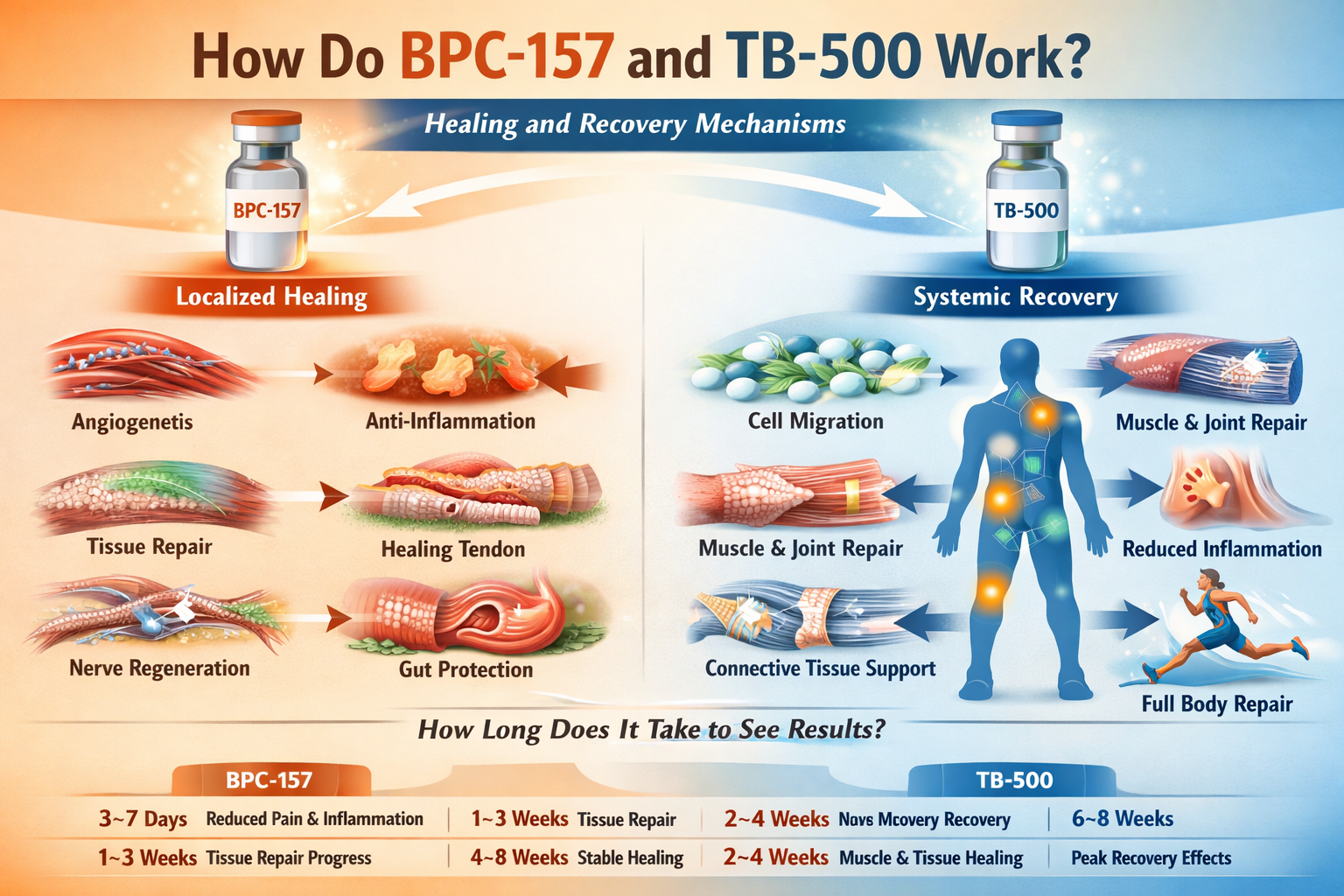
One of BPC-157’s most important biological actions is its ability to stimulate angiogenesis, or the formation of new blood vessels. Healthy blood flow is essential for tissue repair because it delivers oxygen, nutrients, and immune cells to injured areas. By enhancing vascular growth, BPC-157 helps create an optimal healing environment. It also supports fibroblast activity and collagen production, which are critical for restoring tendons, ligaments, muscles, skin, and connective tissue.
The Anti-Inflammatory and Pain-Modulating Effects of BPC-157
Chronic inflammation is a major barrier to healing. BPC-157 has been shown in research settings to regulate inflammatory pathways and reduce the release of pro-inflammatory cytokines. This helps decrease swelling, stiffness, and pain while protecting tissues from ongoing inflammatory damage. Some evidence also suggests BPC-157 may influence neural pain pathways, providing indirect pain relief beyond its anti-inflammatory effects.
BPC-157 and Nervous System Protection
Beyond soft tissue repair, BPC-157 has demonstrated neuroprotective properties in preclinical research. Studies suggest it may support nerve regeneration, improve recovery after nerve injury, and help stabilize neural signaling. This makes BPC-157 of interest not only for musculoskeletal injuries but also for nerve compression, neuropathic pain, and post-surgical nerve recovery.
The Unique Role of BPC-157 in Gut Health
Because BPC-157 was originally discovered in gastric tissue, its effects on the digestive system are particularly notable. Research indicates that it can accelerate healing of gastric ulcers, strengthen the intestinal barrier, and protect mucosal integrity. These properties make it a compound of interest for functional medicine practitioners addressing conditions such as gastritis, leaky gut syndrome, irritable bowel syndrome (IBS), and other gastrointestinal disorders.
The Biological Foundation and Research Significance of TB-500
TB-500 is a synthetic version of a fragment of thymosin beta-4, a naturally occurring protein involved in cellular migration, immune regulation, and tissue regeneration. Thymosin beta-4 plays a key role in wound healing and organ repair, and TB-500 is believed to retain many of its regenerative properties. This has made TB-500 a subject of growing interest in regenerative medicine and sports recovery.
How TB-500 Enhances Cell Migration and Tissue Reconstruction
A defining feature of TB-500 is its ability to promote cell migration. Tissue repair depends on the movement of repair cells to injured areas, and TB-500 facilitates this process. Additionally, it regulates actin, a structural protein that maintains cell shape and stability. By supporting cellular structure and movement, TB-500 helps accelerate tissue rebuilding and reduces the risk of incomplete or fragile healing.
Systemic Repair and Anti-Inflammatory Effects of TB-500
Unlike BPC-157, which often acts more locally, TB-500 exerts systemic effects throughout the body. It supports whole-body recovery by improving cellular repair processes across multiple tissues simultaneously. TB-500 also has anti-inflammatory properties, helping to lower chronic inflammatory burden and create a physiological environment more conducive to regeneration and recovery.
The Synergistic Healing Effects of Combining BPC-157 and TB-500
Many clinicians and users observe that BPC-157 and TB-500 work synergistically when used together. BPC-157 offers targeted, localized repair and inflammation control, while TB-500 provides broad, systemic regenerative support. This combination approach may improve healing speed, tissue quality, and recovery durability, making it popular in sports rehabilitation and post-surgical recovery protocols.
How Long Does It Take to See Results with BPC-157?
Based on research data and user reports, BPC-157 often produces relatively fast results. Many individuals report reduced pain and inflammation within 3 to 7 days. Within 1 to 3 weeks, tissue repair becomes more noticeable, and after 4 to 8 weeks, healing tends to stabilize. However, results vary depending on injury severity, dosage, delivery method, and individual health factors such as nutrition, sleep, and metabolism.
How Long Does It Take to See Results with TB-500?
TB-500 typically has a slower onset but broader effects. Users often notice increased recovery capacity and reduced fatigue within 1 to 2 weeks. Between 2 and 4 weeks, improvements in muscle and connective tissue healing become more apparent. By 6 to 8 weeks, systemic recovery effects often reach their peak, making TB-500 especially useful for long-term rehabilitation and chronic injury management.
Who Commonly Explores These Peptides?
BPC-157 and TB-500 are commonly explored by athletes, fitness enthusiasts, physical laborers, and individuals recovering from surgery. People dealing with chronic pain, inflammation, or digestive disorders also show interest in these compounds. These groups typically seek faster recovery, improved tissue resilience, and reduced risk of re-injury.
Safety, Legal Status, and Regulatory Considerations
It is essential to understand that neither BPC-157 nor TB-500 is FDA-approved for human therapeutic use, and long-term safety data is limited. Product quality can vary widely between suppliers. Additionally, both peptides are prohibited by the World Anti-Doping Agency (WADA) in competitive sports. Pregnant or breastfeeding individuals, cancer patients, immunocompromised individuals, and those taking immune-modulating medications should avoid use unless under strict medical supervision.
A Scientific and Responsible Perspective on Peptide Therapy
From a scientific standpoint, BPC-157 and TB-500 should be viewed as supportive tools rather than replacements for medical care or rehabilitation. Their potential lies in enhancing the body’s natural repair mechanisms, not in directly curing disease. Any use should be integrated with proper diagnosis, physical therapy, nutritional support, and adequate rest for optimal outcomes.
Post time: Jan-27-2026